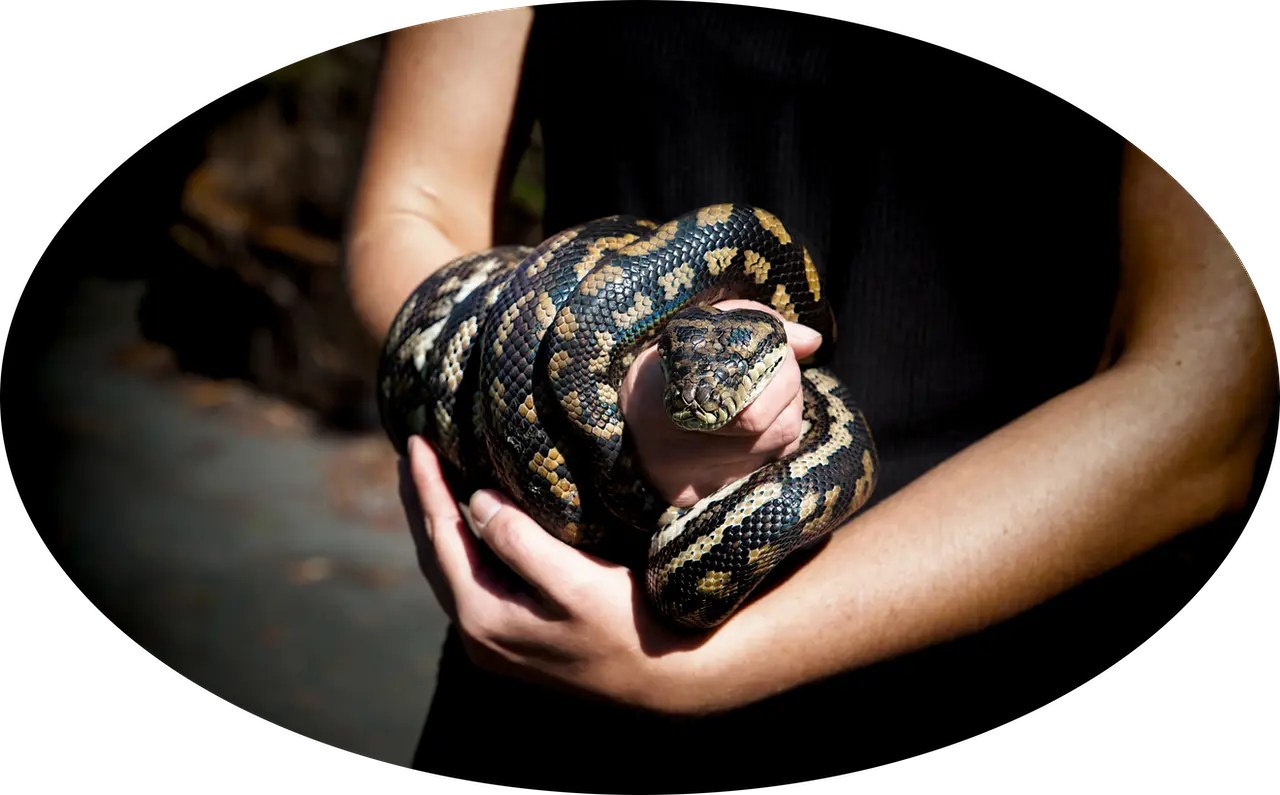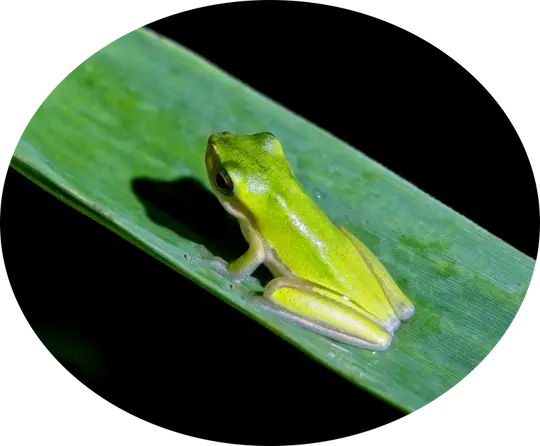


South-east Queensland is home to a vast array of native reptiles and amphibians, including lizards, freshwater turtles, snakes and frogs.
Some of the most common species encountered in South-east Queensland include the following:
Eastern Blue-tongued Skink*
(*) denotes species that are most commonly require rescue and care.
There are a large number of excellent resources available to aid in the identification of reptiles.
Local Council libraries usually have a great assortment of field guides. There are also a number of excellent smartphone applications and websites which are available free of charge or at nominal cost.
Accurate identification is imperative in circumstances where you may come across a sick or injured reptile, particularly a snake. A large proportion of snakes located in South-east Queensland are venomous, and some of them are the deadliest in the world. If you do not have the knowledge and expertise to correctly identify a snake, then you should always regard it as potentially dangerous and refer it to someone who does.
(Consider all snakes as venomous until correct identification is ascertained by reputable sources i.e: Wildcare Snake Coordinator, Wildlife Hospitals and or a Reputable Snake Catcher.)
It is beyond the scope of our website to help in the identification of local species however we have listed below some recommended resources to assist you.
Department of Environment Tourism Science and Innovation (DETSI)– Snakes of South-east Queensland
Queensland Museum – Animals of Queensland
The Amphibian Research Centre – Frogs of Australia
Australian Snake Identification, Education + Advocacy [ASIEA] – Facebook
If you do find yourself in a situation where it is necessary to handle a sick or injured reptile, it is essential that you observe the following guidelines.
There is no such thing as an orphaned reptile. The are independent from birth.
Most Skinks (such as the Eastern Blue-tongued skink) can drop their tails if they feel threatened so it is essential that you do not handle them by their tails. Using a pair of gloves or a small towel, cover the skink, scoop it up and place it into a secure box. Small skinks less then 8cm can be scooped into a container carefully.
Dragons (such as Eastern Water Dragon) can be more difficult to handle, particularly larger individuals. Using gloves and/or a towel, restrain the dragon by placing a towel over the top and ensuring you have a firm hold behind the head and over the back legs. Never restrain by the tail as this may cause damage to the spine of the dragon. All dragons have strong bite capacity and can inflict serious wounds, ensure that the head is covered or restrained gently but firm to control the motion of movement.
Lace Monitors should only be restrained by experienced people. The are muscular and have powerful jaws/claws and a tail that can deliver a blow to the eyes of a potential threat. They have very sharp teeth and claws and can inflict extensive injuries. We recommend that sick and injured lace monitors are always referred to an experienced wildlife rescuer.
Freshwater Turtles can bite and do have sharp claws. Some species (such as Eastern Long Necks) can also spray a nasty odour when they feel threatened. Ensure you face the tail downwards and away from you when you first pick up a turtle as most will urinate readily. Turtles often move from one location to the other for breeding purposes. Please do not move the turtle in the opposite direction it was travelling as they will only attempt to return to the place they were traveling.
Frogs have very delicate skin so it is important that all handling is minimised as much as possible. It is preferable that powder-free disposable latex gloves are used when handling frogs to prevent chemicals from coming into contact with them. If no gloves are available, then ensure your hands are wet with water this helps to dilute your body salts and other chemicals you may have on your skin.
Sick and injured frogs can be picked up gently by cupping them in your hand and placing them immediately into a secure plastic container that has adequate ventilation.
DO NOT add water to the container. You may dampen a wash cloth and place in bottom of container.
We recommend that only people who are appropriately trained in the identification and handling of snakes attempt to do so. Reports of sick and injured snakes can be placed to your local wildlife rescue group who will dispatch an experienced snake rescuer who will attend the animal.
For information on the correct method to treat a snake bite, please refer to the St John Ambulance Australia reference guide.
Orphaned Lizards
There is no such thing as an orphaned lizard as all reptiles are independent from hatching. If hatchlings have not emerged from the nest and the nest looks disturbed, please cover back over and leave. In the hatchling process they will often stay on or around the nest for 24- 36 hours. In this time you can fence off so domestic pets cannot disturb.
Do not try to capture and hold this will cause a high level of stress and compromise their immune system.
Hatchlings that appear sick may need to be referred to your local wildlife rescue group for further advice.
Injured Lizards
If you encounter a lizard that appears injured, it will need to be assessed by a veterinarian.
For smaller lizard species, and if you feel confident, pick the lizard up using a small towel or gloves and place into a pillow case (turned inside out) or a secure box or plastic tub with adequate ventilation. The lizard can then be taken to your closest wildlife hospital or local wildlife rescue group.
For larger lizard species, or if you do not feel confident to capture the lizard, place a sturdy box over the lizard and weigh the box down until the wildlife rescuer arrives. This will prevent the reptile from escaping and will protect it from overheating in the sun.
Lizard stuck in a fence
Lizards frequently get themselves caught in fencing as well as discarded fencing materials (such as rolled-up wire). Lizards trapped in these cases will often be very stressed and can show signs of aggression. We recommend that you contact your local wildlife rescue group who will be able to provide you with further advice or will have an experienced wildlife rescuer attend to safely remove the lizard from the fence.
Whilst some lizards will recover quickly from a fence incident, others will suffer significant damage, such as spinal injuries, which can be difficult to identify. Although a lizard may look ok – a prolonged entrapment can cause toxicity internally and any suspicion of long entrapment or of injury, the lizard needs to be assessed by a wildlife veterinarian or experienced wildlife rescuer.
Lizards (and other reptiles) in a Swimming Pool
Some lizards are capable swimmers, such as Eastern Water Dragons, however, many lizards,skinks and snakes end up in pools and ponds, and are unable to find their way out. They can easily become exhausted, hypothermic or potentially aspirate the chlorinated water. If the lizard has been in the pool for longer than 30 minutes, a vet check-up is recommended. Any snake should be removed by a snake specialist. Frogs can become over hydrated and appear bloated, this can make them unwell, and any frog found floating or in skimmer boxes needs Wildlife veterinarian assessment.
Lizard eggs
Occasionally we receive calls about eggs that are found and cannot be left covered to incubate where they are (i.e. due to excavation of site). Wherever possible, eggs should be left until hatching. Contact your local wildlife rescue group who may be able to advise on incubation times if the species is known.
If the situation is such that the eggs MUST be moved, the eggs must be maintained in EXACTLY the same position as found. Reptile eggs form differently to birds/chicken eggs which can be rotated. A reptile embryo will suffocate if they are rotated while being moved. If you need to remove the eggs, mark each egg with a dot on the side facing up, using a marker pen. Place marked eggs in a container with moist to touch (not wet) sand in the bottom of a plastic tray to stabilise them, keep in the same position as found and keep warm (25°-28°C) until they are transported to a wildlife carer with suitable incubation facilities.
Orphaned turtles
There is no such thing as an orphaned freshwater turtle as all reptiles are independent from hatching.
Refer to the section above for Orphaned Lizards for more information.
Injured turtles
The most common reason for injuries to turtles are from being hit by a car, entanglement in fishing line or hooks or dog attacks.
Entanglement with fishing line is common – please DO NOT snip the line at the mouth as the turtle will likely continue to swallow the hook. Instead cut the line with a good 10 cm left and tape to the side of the neck or shell gently – DO NOT pull the line or make the line taunt.
For all injured turtles, pick the animal up gently and place into a covered box or plastic tub with adequate ventilation. Take the turtle to the closest wildlife hospital or contact your local wildlife rescue group.
Turtles can be picked up by placing one hand on either side of the top shell between the front and back legs (like a sandwich) and placed into a secure box. Take note that they will flail their legs and can give a nasty scratch.
A turtle that has sustained fractures to its shell should be picked up very carefully, before placing it into a strong container with a towel or something to stop it sliding when transporting to help.
Turtle eggs
Refer to the section above for Orphaned Lizards for more information.
Turtles DO NOT lay their eggs in water. They lay them in a spot that has the right temperature and humidity. Often then lay them away from a water body.
Sick frogs
A frog that appears unwell can be gently placed in a plastic container or cardboard box. It is important to wear disposable gloves to protect both yourself and the frog. There are specific procedures to be followed in the case of sick frogs and these should be reported to a wildlife veterinarian without delay.
One of the most damaging diseases for Australian frogs, and which has been the cause in their decline and species extinction, is Chytridiomycosis (Amphibian chytrid fungus disease). For information on this disease, please refer to the Department of Climate Change, Energy, the Environment and Water
Frogs found in fruit boxes
Frogs that arrive in fruit and vegetable boxes CANNOT be released back into the wild. Releasing frogs into an area where they did not originate from could risk diseases being spread amongst local healthy populations and they could be released into unsuitable habitat, which would result in their death. A sick frog may not look “typically sick”. There are many unknown viruses with wildlife and understanding that helps negate spread to healthy wildlife habitats.
Where possible, take the frog to a wildlife hospital, the Department of Environment, Tourism, Science and Innovation (DETSI) or your local wildlife rescue group.
Tadpoles
Frogs and tadpoles are protected under Queensland legislation and cannot be collected from the wild. It is imperative that frogs and tadpoles are not moved from their original location due to the risk of the spread of diseases such as Chytridiomycosis (Chytrid) is a highly contagious and readily spreads disease – it can wipe out many frog species and has indeed caused mass extinctions locally and worldwide.
There are NO vaccines for this – it is important to understand and educate yourself and others on the high risk of unwittingly transmitting these types of diseases by offering tadpoles to friends and family or to receive tadpoles offered from social media groups (see section above on Sick Frogs).
Neither Wildcare or any frog association in Queensland, are able to provide tadpoles for gardens and ponds. For queries, regarding the collection of tadpoles, contact DETSI.
Noisy frogs
Most residents in South-east Queensland love to hear the calling of their local frogs. Some residents may not be as receptive to the constant calling from a large tree frog, particularly when they are hiding in a drain near a bedroom window. It is important that frogs never be relocated. If they are moved away, they will just make their way back again. Generally, they will leave when the breeding season or rain ceases.
For general information about frogs and frog habitat we recommend that you visit the Queensland Frog Society Inc. website.
A great free app that helps map frogs and their habits is FROG ID (a large citizen science project) and data collected helps Australia Museum identify and monitor populations
Identification of snakes
Our Wildcare volunteers are unable to assist with the identification of snakes over the phone. Size and colour of a snake is no indication of the species and identification is best left to a snake expert. If possible, a clear picture (taken safely) may be used by Wildcare to pass onto a specialist for confirmation of identity. We are not an identification or relocation service. There are many snake removalist throughout Australia and a google search can provide details relevant to your location. Most licensed snake catchers will identify snakes at no charge.
Orphaned snakes
There is no such thing as an orphaned snake as all snakes are independent from hatching.
Refer to the section above for Orphaned Lizards for more information.
Injured snake
The most common reason for injuries to snakes are from being hit by a car and dog attacks.
Never attempt to pick up an injured snake. Australia has many venomous snakes and they come in many colours/patterns and sizes which change due to location, food and other variable factors. There are many, many myths and frequent mis- identifications that happen which could result in serious injury or even death. If you find an injured snake – where possible and with your own safety first and foremost – take a picture for identification purposes before calling Wildcare volunteers or snake catchers.
Snake eggs
Refer to the section above for Orphaned Lizards for more information. UNIDENTIFIED EGGS where the parent has not been seen will be considered as being eggs possibly from a venomous species. Do not try to incubate and hatch yourself. Specialised equipment and care is needed to ensure successful hatching of all reptilian eggs. It is worthy to note that venomous species carry the same potency as adults and are more reactive as young hatchlings.
Uninjured snake in house / garage
Remember – do not handle any snake! Only seek identification from sources that are reputable. Many people may think they know what type of snake it is, but in fact in can be hard to identify unless you know what you are looking for mis-identification is common and can cause serious illness or injury. Most reputable licensed snake catchers will identify snakes at no charge.
In Queensland, volunteer wildlife rescuers are not licensed to relocate snakes. This is governed by Department of Environment Tourism Science and Innovation (DETSI) under damage mitigation permits not Wildlife rescue and rehabilitation.
If you find a snake in your house or garage, try to close the room off by closing an adjoining door and place a towel under the door to keep the snake contained. Do not approach any snake, throw things at it, poke at it or attempt to catch it. Keep an eye on it from a distance (if it is safe to do so) until assistance arrives.
Contact your local snake catcher first before calling your wildlife rescue who can only advise you to call a snake catcher.
Uninjured snake in yard
Most snakes that are seen in a suburban backyard are simply moving through the area looking for food. They follow scent tracks of rats/frogs and other food sources that move through the same areas, even if you have not seen them.
Ensure that your pet dogs, cats, pet birds, guinea pigs etc are secured. If there is no food source available, the snake will soon move on its own. Keeping your backyard free from litter/roofing sheets and lawns mowed discourages snakes from staying as they are predated on by our Australian Native birds – kookaburras and others prey on snakes. Rock walls provide thermal areas that all reptiles need for body functions.
Keep children well away from the snake.